
Collagen is no longer a single ingredient solution. As the beauty, nutraceutical, and active wellness markets become more specialised, formulators are now choosing collagen based on its structure, source, and degree of processing. From joint mobility blends to firming serums and beauty powders, each collagen type delivers its own strengths. Understanding these differences is the key to building formulations that deliver real, targeted results.
Many brands begin their search with a simple question: which collagen for joints performs best? And what about collagen for firming, hydrating, or ageing support in topical and ingestible beauty products? In reality, the answer depends on choosing the right collagen type and the right extraction approach.
At Balaji Life Sciences, we work closely with formulators who want clarity on how Type I, II, and III collagens behave in joint and skin products. This guide breaks it down in a conversational, science-backed way so you can choose ingredients with confidence.
Understanding the Three Primary Collagen Types

Before comparing hydrolyzed collagen with undenatured collagen, it helps to understand the three collagen types used most commonly in nutraceutical and beauty formulations.
Type I Collagen
Found in skin, hair, bones, and connective tissue.
Known for firmness, elasticity, and structural support.
Type II Collagen
Found in cartilage.
Provides cushioning, shock absorption, and joint comfort.
Type III Collagen
Often paired with Type I in skin and soft tissue.
Supports elasticity, hydration, and wound healing.
Most formulations use a blend tailored to outcomes. The beauty category prefers Types I and III, while joint support products are built around Type II.
Hydrolyzed Collagen: Best for Absorption and Skin Support

Hydrolyzed collagen is collagen that has been broken down into small peptides. These peptides dissolve easily and absorb quickly into the bloodstream, which is why they are commonly found in powders, drinks, capsules, and ready-to-mix blends.
For formulators building collagen for skin products, hydrolyzed Types I and III are a natural choice. These peptides contribute to:
• Improved hydration
• Better elasticity
• Brighter skin appearance
• Stronger hair and nails
Hydrolyzed collagen also has a growing presence in active ageing and post workout recovery blends due to its excellent solubility and neutral sensory profile.
Undenatured Collagen Type II: Best for Joint Comfort
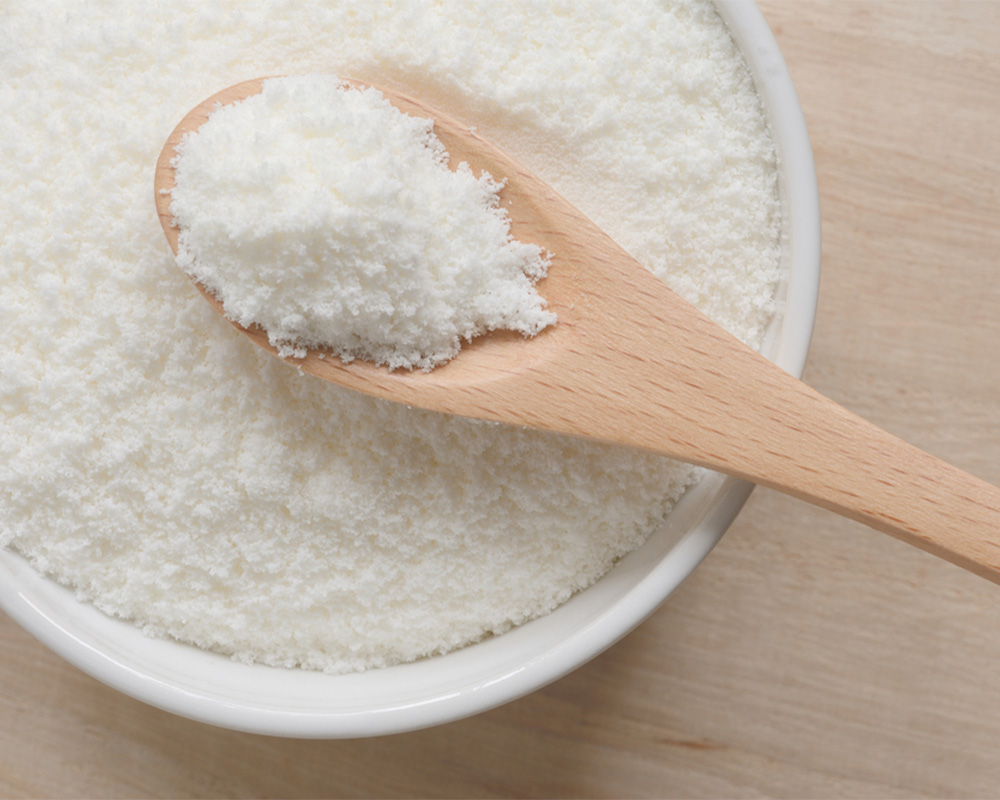
When formulating collagen for joints, undenatured collagen Type II stands out because it supports joint function through a pathway that hydrolyzed collagen cannot replicate. Undenatured Type II collagen works by interacting with immune cells in the gut, helping them develop tolerance toward collagen present in joint cartilage.
This process supports comfort, flexibility, and smooth movement. It is highly effective in low doses, which makes it popular in capsules and tablets.
Many formulators ask about undenatured type ii collagen vs hydrolyzed collagen. The simplest way to compare them is this:
• Hydrolyzed collagen provides amino acids for general connective tissue support.
• Undenatured Type II collagen offers targeted support for joint comfort and mobility.
Both are valuable. They simply play different roles.
Is Collagen 1 and 3 Good for Joints?
This is another common question: is collagen 1 and 3 good for joints?
Hydrolyzed Types I and III collagen support overall connective tissue and provide amino acids used throughout the body, including cartilage. While they are not as targeted as Type II for joint mechanisms, they still contribute to the structural matrix that supports tendons, ligaments, and bone density.
This is useful for active lifestyle blends, healthy ageing formulas, and sports nutrition products where joints are only one part of the benefit story.
What Type of Collagen for Joints Should You Choose?
If a formulator asks what type of collagen for joints is most effective, the answer depends on the type of joint support the product promises.
Choose:
• Undenatured Type II for targeted immune-mediated support
• Hydrolyzed Type II for cartilage nourishment
• Type I and III when building all-around mobility, tissue strength, or active recovery formulas
Many brands combine collagen types to create tiered benefits. This helps them position their products more strategically for joint support, mobility comfort, and healthy ageing.
How Processing Changes Performance
Hydrolyzed collagen and undenatured collagen differ in how they are processed.
Hydrolyzed Collagen
Heat and enzymes break collagen into small peptides.
This enhances solubility and absorption.
Undenatured Collagen
The protein structure remains intact.
This allows it to interact with the immune system in a specialised way.
Both remain structurally stable when sourced and processed correctly. The important part is understanding the intended application so you can match the collagen type with the formulation goal.
Building Better Joint and Skin Formulations with Balaji Life Sciences

Balaji Life Sciences provides high-quality collagen extracts that support a wide range of product applications. Our ingredients are processed with strict quality controls, consistent peptide profiles, and clear documentation, which helps formulators build transparent and trustworthy products.
Whether you want targeted joint support or multi-benefit skin and wellness blends, choosing the right collagen type gives your brand a clear performance advantage.
Connect with our technical team to discuss which collagen grade suits your next formulation.
Our expertise supports concept creation, ingredient selection, and application testing.
Request a product sample to evaluate solubility, sensory behaviour, and compatibility with your base matrix.

